
Living and Working in Suriname
Thinking about a job in Suriname? This extensive guide covers everything you need to know before and after your move: work permits, residence, housing, the cost of living, healthcare, taxes, banking, transport, languages, education and daily life in Suriname.
About Suriname
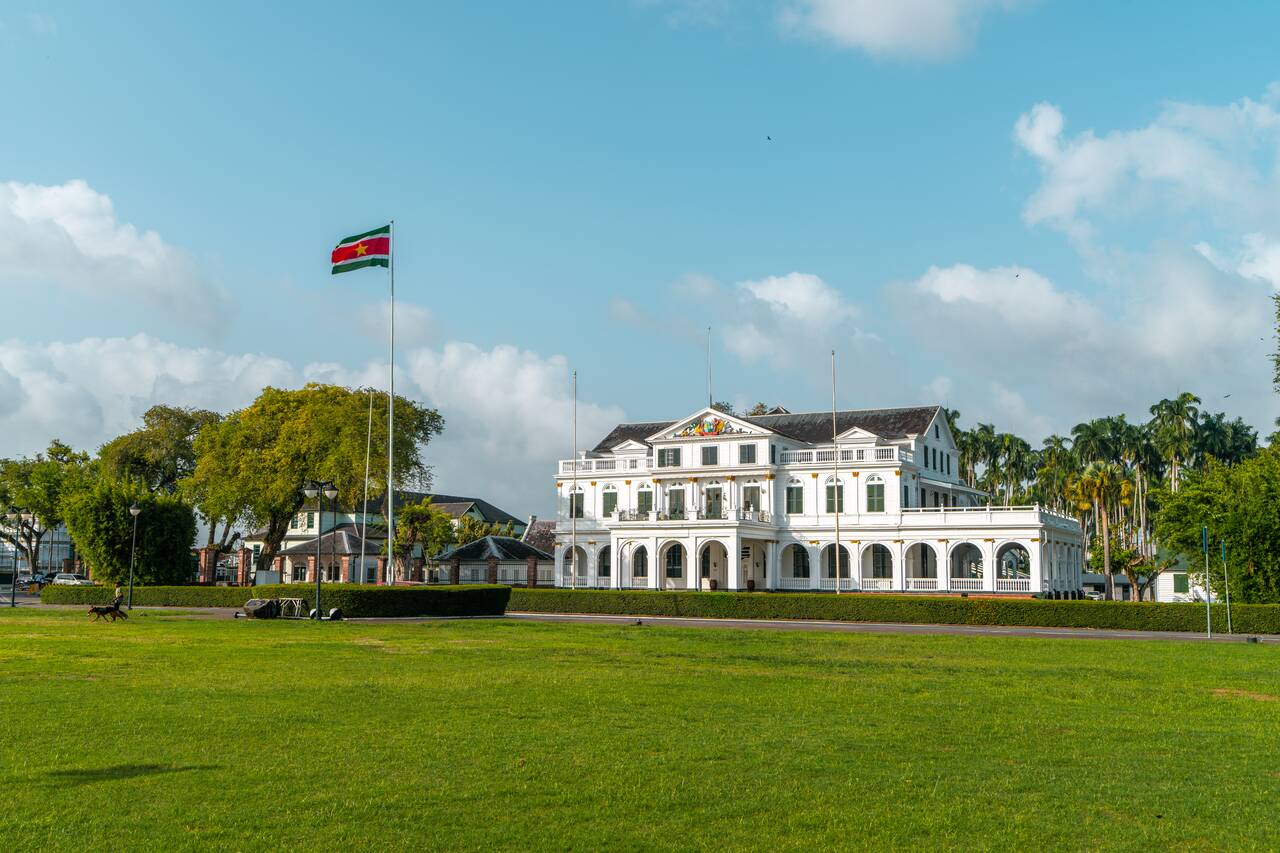
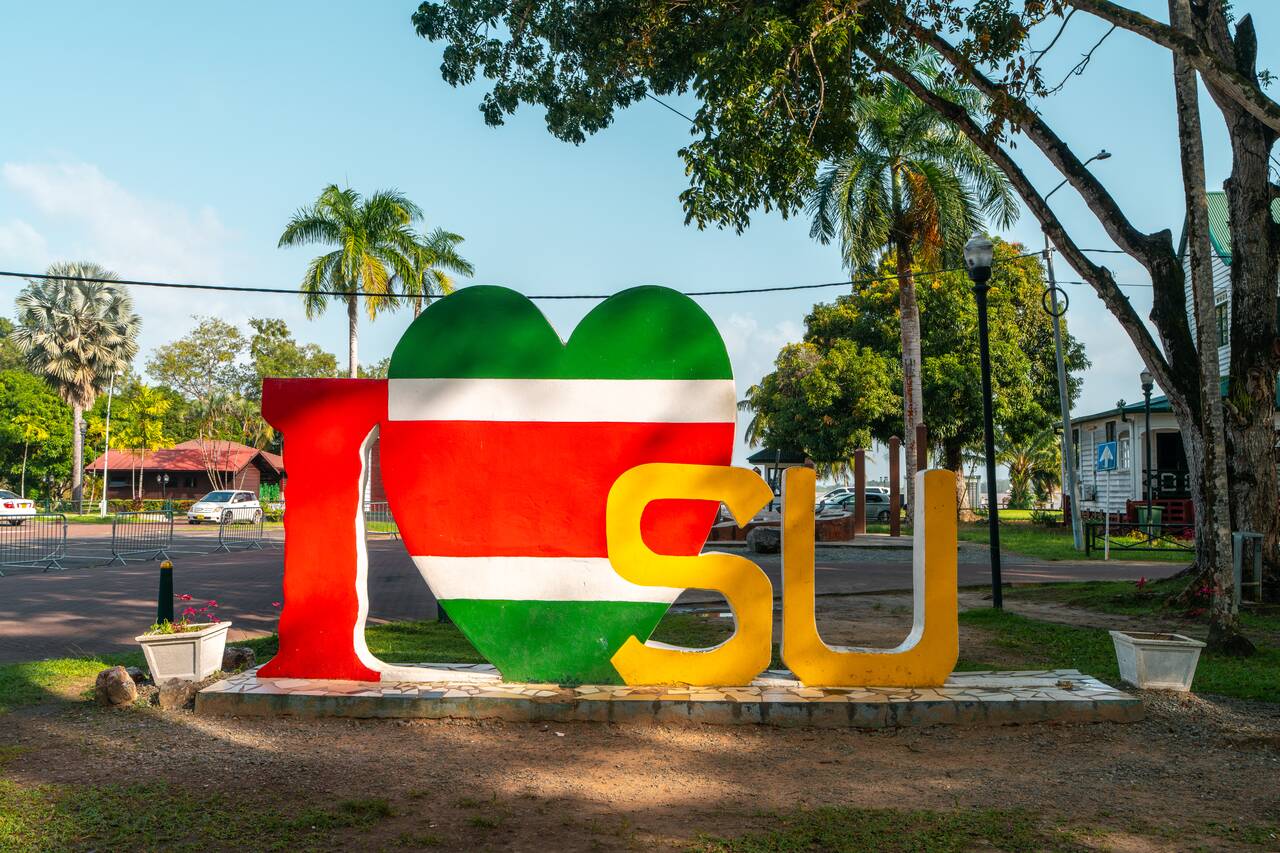
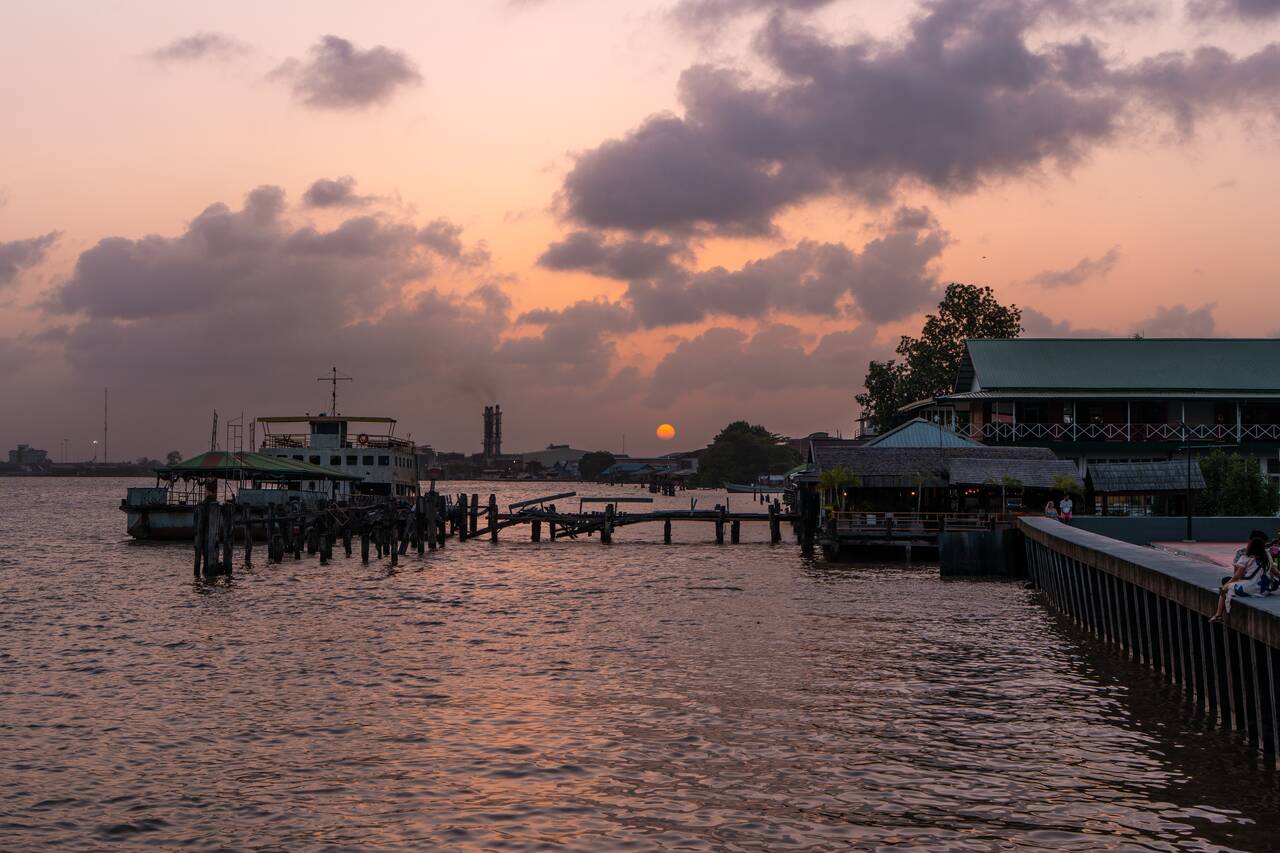
Suriname is a country on the northeastern coast of South America, bordering Guyana, French Guiana and Brazil. It has been an independent republic since 1975, with Dutch as its official language. Around 620,000 people live in Suriname, most of them in and around the capital Paramaribo.
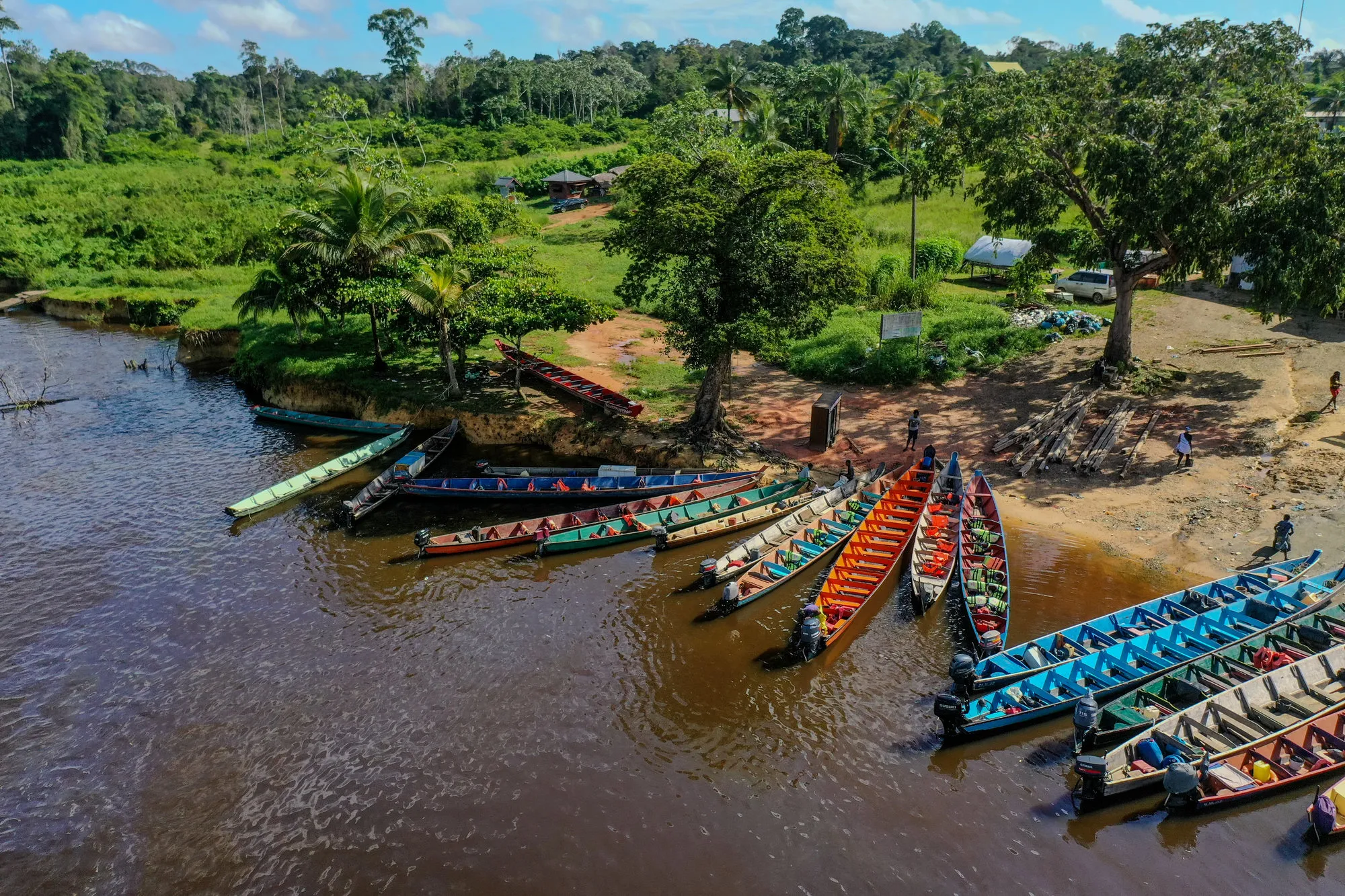
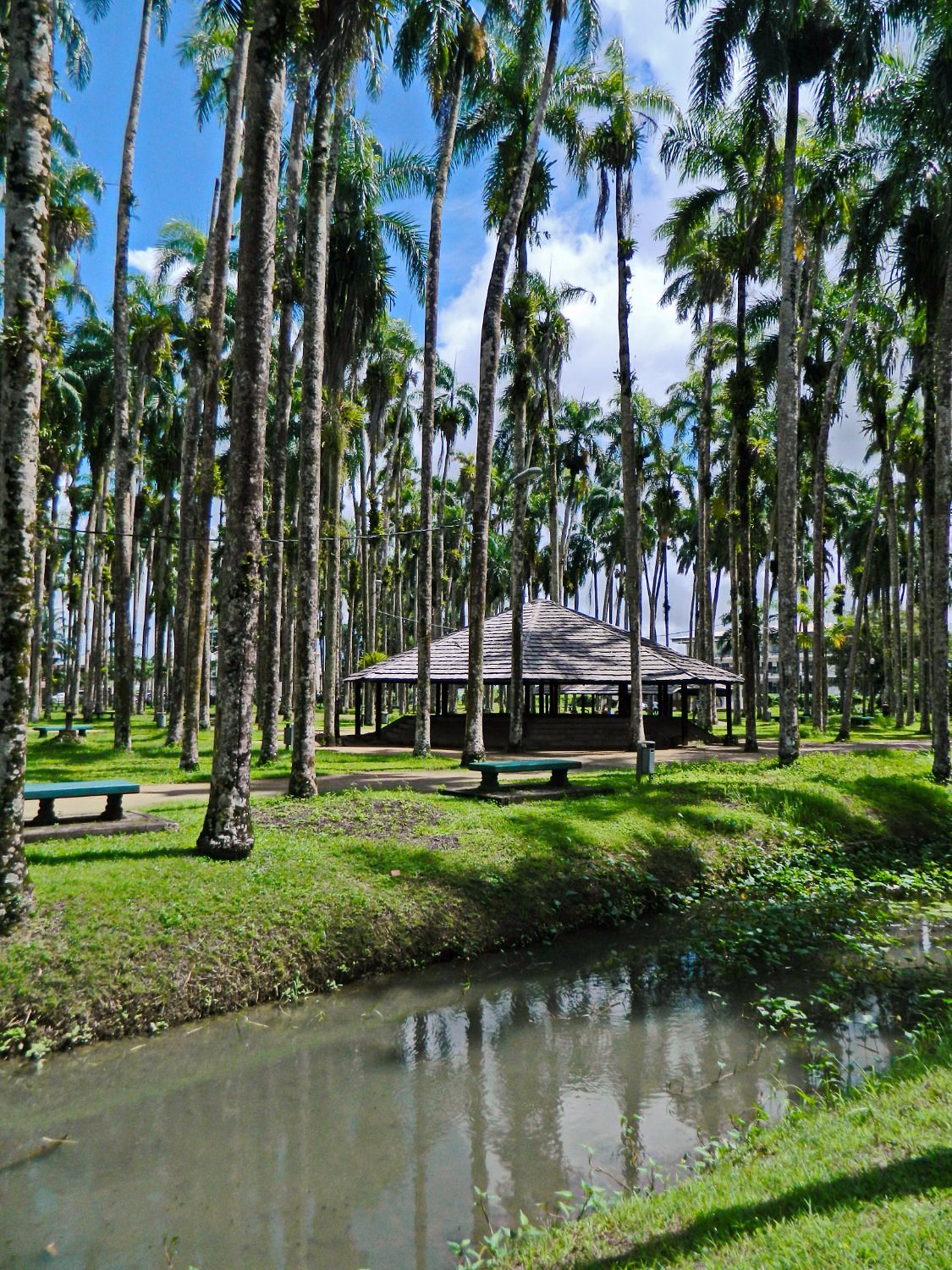
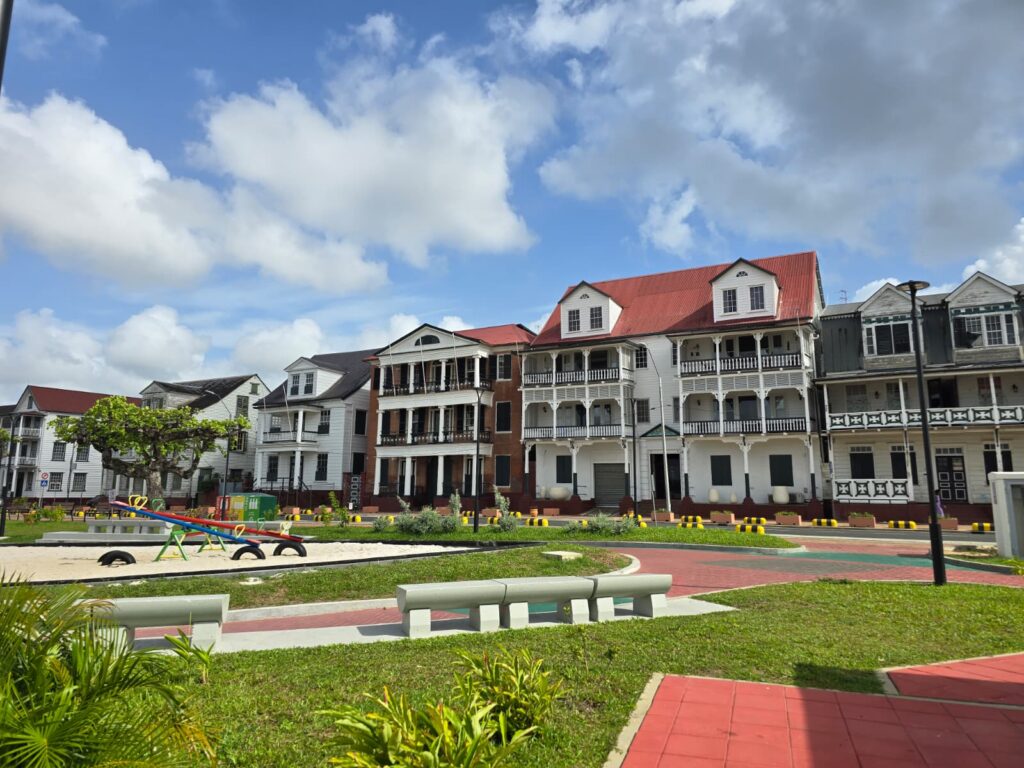
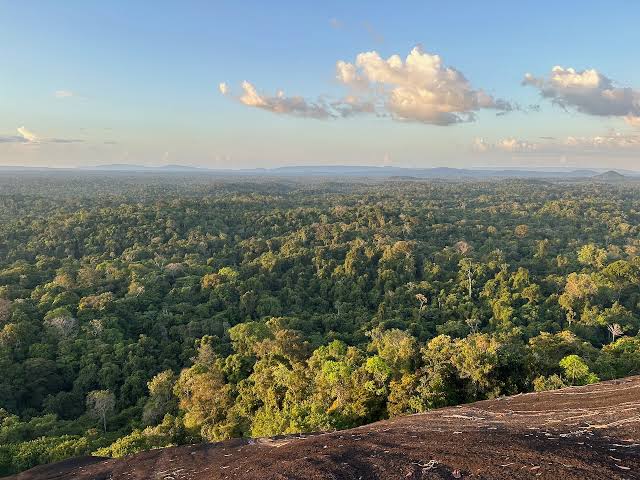
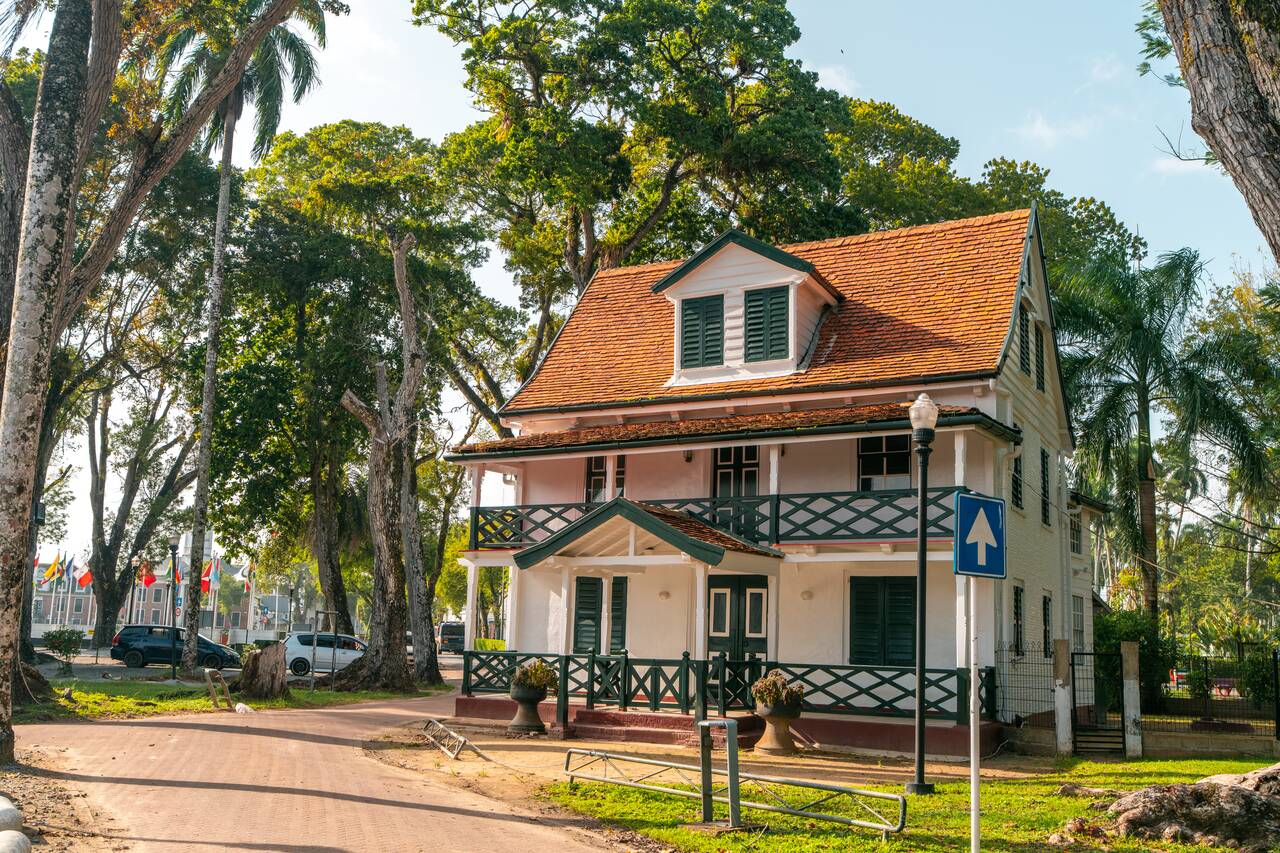
The historic inner city of Paramaribo, with its white wooden colonial buildings, is a UNESCO World Heritage site and the center of business, government and culture. More than 90 percent of the country is covered by tropical rainforest. The climate is warm and humid all year, around 26 to 32 degrees Celsius, with two rainy seasons, and Suriname lies outside the hurricane belt.
Work Permits
Foreign nationals generally need a work permit (tewerkstellingsvergunning) to work in Suriname. The employer applies for the permit with the Ministry of Labour, Employment and Youth Affairs (AW&J). The employer usually has to show that no suitable local candidate is available for the position.
Processing times are officially stated as up to 30 days after submission, with a possible extension of another 30 days in special circumstances. For companies with at least 20 employees, an expedited procedure exists through a One Stop Unit for concurrent processing of residence and work permits, with estimated processing times of three to four weeks for complete applications. Start early and agree with your employer who handles and pays for the application. A permit is tied to a specific employer and position. The work permit depends on having a valid residence permit or proof of application (VZ-receipt), and a work permit itself does not grant a right of residence.
People of Surinamese origin can apply for PSA status (Persoon van Surinaamse Afkomst), which gives them the right to live and work in Suriname without a separate work permit. Rules change regularly, so always check the latest requirements with your employer or the official authorities.
- Never start working before your permit has been granted.
- Keep copies of your diplomas, references and a recent certificate of good conduct, often required with apostille.
- Ask your employer to confirm in writing who pays the application fees.
Residence and Registration
Most foreign nationals need an authorization for temporary stay (Machtiging tot Kort Verblijf, MKV), which you apply for before arrival, followed by a residence permit (verblijfsvergunning) from the Immigration Service (Vreemdelingendienst). Applications typically require a valid passport, a birth certificate, a certificate of good conduct, a medical certificate and proof of income or an employment contract.
After settling, residents register with the Central Bureau for Civil Affairs (CBB). Registration gives you an identity card and a registration number that you need for banking, healthcare, utilities and many other everyday matters.
Finding a Home
Most newcomers rent first. Houses and apartments, furnished or unfurnished, are available in and around Paramaribo, in areas such as Paramaribo-Noord, Blauwgrond, Zorg en Hoop, Uitvlugt and Leiding, and in quieter places such as Lelydorp and Commewijne. Rents vary strongly by location, size, furnishing and security.
Lease agreements usually require a deposit of one to two months' rent, and rents are often quoted in US dollars or euros. Check whether water, electricity and internet are included, and whether the house has burglar bars, a fence or a generator.
Foreigners can buy property, although some land is held on long-term lease (grondhuur) rather than freehold. Transfers go through a civil-law notary. Many people rent for at least a year before buying to get to know the different neighborhoods.
- View a property in person before signing or paying a deposit.
- Ask whether the street floods during heavy rain.
- Check the distance to your workplace, as traffic in Paramaribo can be busy at rush hour.
Cost of Living
The local currency is the Surinamese dollar (SRD). US dollars and euros are widely used for rent, cars and larger purchases. The exchange rate has fluctuated strongly in recent years, so prices can change quickly. Imported products are relatively expensive, while local fruit, vegetables, fish and meat from markets such as the Centrale Markt are good value. As of April 1, 2025, a national minimum hourly wage is in effect.
Electricity is supplied by EBS and water by SWM. Air conditioning can make a noticeable difference to your energy bill. Internet and mobile plans are available from providers such as Telesur and Digicel.
Local salaries are generally much lower than in the Netherlands or the United States. Compare an offer carefully against your expected expenses for rent, transport, insurance and schooling, and check in which currency you will be paid.
Taxes and Social Security
Residents of Suriname pay income tax under a progressive system. Employers withhold wage tax (loonbelasting) and premiums for the general old age pension (AOV) directly from your salary. Many employers also have a pension fund. As a resident liable for premiums, you build up the Surinamese AOV, but without Surinamese nationality, it typically only pays out after ten years of uninterrupted residence in Suriname, from age sixty.
A value added tax (BTW) applies to most goods and services, with a standard rate of 10 percent. A 5 percent VAT rate applies to water, electricity and cooking gas. Because tax rules are complex and change over time, it is wise to consult a local tax advisor, especially if you keep income or property abroad.
Healthcare and Insurance
Health insurance is mandatory under the national basic health insurance (Nationale Basiszorgverzekering). Many employees are insured through the State Health Fund (SZF) or a private insurer, with premiums often shared by employer and employee. Supplementary insurance is available for broader coverage.
Paramaribo has several hospitals, including the Academisch Ziekenhuis Paramaribo, 's Lands Hospitaal, the Diakonessenhuis and the Sint Vincentius Ziekenhuis, as well as general practitioners, dentists and pharmacies. For some specialized treatments, patients are referred abroad.
- Register with a general practitioner soon after arrival.
- Bring a supply of any prescription medication and a doctor's letter.
- Protect yourself against mosquitoes and drink plenty of water.
Banking and Money
To open a local bank account you usually need your passport, residence documents, proof of address and an employment contract or proof of income. Major banks include De Surinaamsche Bank (DSB), Hakrinbank, Finabank and Republic Bank. Many people hold accounts in SRD as well as in US dollars or euros.
Debit cards are widely accepted in Paramaribo, but cash is still common, especially at markets and outside the city. Many people also keep an account in their home country for international payments.
Getting Around
A car is almost essential in Suriname. Buses run on fixed routes but have limited schedules. Traffic drives on the left. Many residents buy a used car, and importing a car is possible but involves import duties.
A foreign driving license can be used for a limited period after you arrive. After that you need a Surinamese license. Car insurance is mandatory. Outside the coastal area, many places in the interior can only be reached by boat or small plane.
Johan Adolf Pengel International Airport near Zanderij has direct flights to the Netherlands, the United States, the Caribbean and other South American countries, making travel home relatively easy.
Languages
Dutch is the official language of Suriname and is used in government, law, education and business. Sranan Tongo is the lingua franca that almost everyone speaks in daily life. Many other languages are spoken as well, including Sarnami Hindustani, Surinamese Javanese, Maroon languages, Chinese, Portuguese and English.
Speaking Dutch is a big advantage, and for many jobs it is required. Learning a few words of Sranan Tongo, such as fa waka? (how are you?) and grantangi (thank you), is greatly appreciated and helps you settle in faster.
Working Culture
Business culture combines Dutch directness with a warm, relaxed approach. Personal relationships matter: people take time for a greeting and small talk before getting down to business. Networking, both formal and informal, is often the key to opportunities.
A typical working week is around 40 hours. Many offices start early, around 7:00 or 7:30, to make the most of the cooler morning. Business attire is usually smart casual, adapted to the climate, although banks and law firms can be more formal.
Key sectors include mining and oil, agriculture, the public sector, trade and retail, financial services, construction, healthcare, education, logistics and tourism. With the development of offshore oil, demand is growing for engineers, technical specialists and IT, finance and HR professionals.
Schools and Education
The school system largely follows the Dutch model, with Dutch as the language of instruction. There are public, religious and private schools at primary and secondary level, and higher education at the Anton de Kom University of Suriname.
International families often choose an international school with English-language education in Paramaribo. Waiting lists can apply, so contact schools well before your move.
Daily Life and Leisure
Life in Suriname follows a relaxed rhythm, and the country is known for its cultural diversity and the peaceful coexistence of many religions. In Paramaribo you will find a mosque and a synagogue standing side by side on the Keizerstraat.
Nature is never far away. You can visit Brownsberg Nature Park, explore the Central Suriname Nature Reserve, cycle past the old plantations in Commewijne, spot dolphins at the river mouth or watch sea turtles nest at Galibi. The food culture is rich, with dishes such as roti, pom, moksi alesi and bakabana, and the calendar is full of celebrations such as Keti Koti, Divali, Phagwa and Owru Yari.
Use common sense when it comes to safety: lock your car, do not leave valuables visible and choose a secure home.
Public Holidays
Suriname observes several public holidays throughout the year, which are non-working days for most employees. These include national holidays such as New Year's Day, Keti Koti (Emancipation Day), Independence Day, and various religious holidays like Divali, Phagwa, and Eid-ul-Fitr. It is advisable to check the official calendar for the current year, as some dates change annually based on lunar cycles.
- Check the official government holiday list at the start of each year.
- Confirm with your employer how public holidays are handled regarding your specific work schedule.
Digital Tax Filing
As of May 15, 2026, the Tax Authority has implemented a fully digital income tax filing system. This system is designed to streamline tax processes and improve efficiency for taxpayers in Suriname.
- Check the official Tax Authority portal to register for your digital account.
- Ensure your tax records are digitized to facilitate the online filing process.
Practical Checklist
Moving to another country is a big step. Use the checklist below to prepare for a smooth start.
- Secure a job offer and agree on the work permit procedure with your employer.
- Gather documents: passport, birth certificate, diplomas, certificate of good conduct, all with apostille where needed.
- Apply for your MKV or PSA status before you travel.
- Arrange temporary accommodation for the first weeks.
- Apply for your residence permit and register with the CBB.
- Open a bank account and arrange health insurance.
- Buy or lease a car and arrange car insurance.
- Sign up for job alerts on Vacatures.sr to discover new opportunities.
Last updated: 1 November 2026